Payment Terminals Singapore: Compare Fees, Contracts and Your Total Monthly Cost
Compare payment terminals in Singapore using your transaction mix, percentage and fixed fees, device charges, support and contract terms. Ask for a complete written quote before choosing a credit card machine. A lower advertised rate can still produce a higher monthly bill, especially when customers make many small purchases.
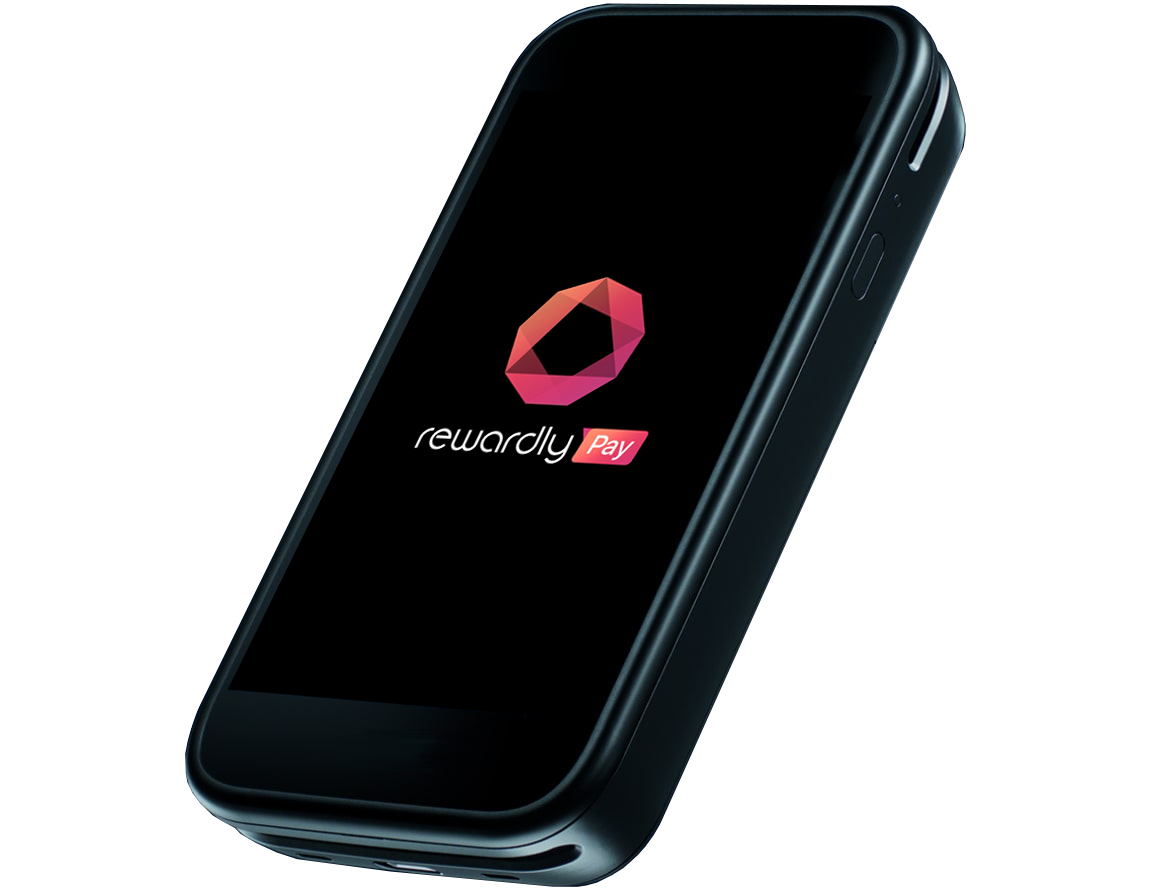
Separate the terminal, payment service and POS
A terminal is the device customers tap or insert a card into. Payment processing accepts the transaction and moves it through the payment chain. Your POS records the sale. These can appear in one proposal while carrying different charges, suppliers and cancellation conditions.
Start with a one-page scope: outlet and terminal count, accepted methods, POS connection, settlement account, training and support hours. Request separate hardware, software, payment and service lines. A bundled monthly figure is useful only when you know what it includes and which charges vary with usage.
Read beyond the headline percentage
Collect a representative month of sales by payment category. Separate local and overseas cards where the quote distinguishes them; add other methods as separate rows. Record transaction counts as well as sales value. Ask whether commercial cards, online payments or particular schemes have different pricing.
Fee structures can combine a percentage with a fixed amount. Adyen’s pricing explanation, for example, separates processing and payment-method fees, prices other products separately and notes that a minimum invoice can apply. Its public figures are indicative; they are not a Singapore merchant quotation for your configuration.
Ask about refund charges, whether original fees are returned, chargeback handling, currency conversion and any minimum bill. Obtain settlement timing, cut-off rules and potential holds in writing. Keep tax treatment explicit. A comparison that leaves these questions blank is an estimate, not a complete ownership cost.
Explore the complete payment-cost stack
Select each layer below to see its charging basis and the question to ask. Use the answers to mark each quote as included, separately charged or unconfirmed. Unconfirmed is not the same as free.
Device: purchase or rental
Cost basis: One-off purchase, recurring rental, or another written arrangement.
Ask: Who owns the terminal, and what are the replacement and return terms?
A worked example: small baskets change the result
These are hypothetical teaching figures, not EISOL or supplier offers. Assume S$20,000 monthly card sales: S$14,000 across 840 local-card payments and S$6,000 across 360 other-card payments. Both samples use exactly that mix.
| Cost line | Sample A | Sample B |
|---|---|---|
| Local / other rate | 1.6% / 2.6% | 1.9% / 2.9% |
| Fixed fee per payment | S$0.10 | S$0 |
| Recurring monthly charges | S$20 | S$35 |
| Upfront hardware | S$240 | S$0 |
| Recurring month total | S$520 | S$475 |
| Including 12-month upfront allocation | S$540 | S$475 |
Sample A’s percentage fees are S$380, but 1,200 fixed fees add S$120. Its first-month cash requirement is S$760, including hardware; the S$20 monthly hardware allocation is for comparison only. Do not add both the full hardware payment and its allocation to the same monthly comparison.
A ten-cent fee equals 2% of a S$5 basket before any percentage charge. At S$50, it equals 0.2%. This is why average ticket size matters. Replace the samples with written quotes and test a quieter month before deciding.
Compare two quotes with your own numbers
The worksheet separates recurring costs, allocated upfront costs and first-month cash. It assumes two payment categories with flat quoted rates. Tiered pricing, minimum invoices and exceptions need a separate calculation. Split further categories outside this worksheet when their rates differ.
Check device ownership and exit costs
Confirm whether the credit card terminal is purchased, rented or supplied under another arrangement. Ask who owns it, what must be returned and whether damage, replacement, delivery or connectivity costs extra. Identify the support response time, weekend coverage and temporary replacement process.
Read contract length, renewal, notice periods and early-exit charges. Check whether cancelling payment processing also cancels device rental and POS software. List each agreement separately. A monthly allocation over twelve months does not mean a twelve-month contract or a right to cancel.
Give one staff member responsibility for the renewal calendar. Keep the signed schedule beside the proposal, record the last notice date and confirm the cancellation channel. Before adding another outlet, ask whether extra devices create a new commitment or share the original end date.
Test a payment before signing
Ask the vendor to demonstrate an approved payment, a decline, a refund and an uncertain response. Confirm who checks the final status before staff repeat a payment. Adyen’s transaction-status guidance explains that a missing response can leave staff uncertain whether processing completed; its integration checks distinguish processed, in-progress and not-found transactions.
For a connected setup, verify that the POS amount matches the terminal and the final result reaches the sale record. For a standalone device, test the manual amount-entry and matching steps. Use our payment reconciliation guide for closing checks and our SoftPOS guide when considering a supported phone-based alternative.
The quote comparison in 35 seconds
0:00 Open the full quote. Separate devices, payments and software.
0:07 Percentage and fixed fees are different cost lines.
0:14 Use the same sales mix and transaction counts for both quotes.
0:21 Add device and support costs. Keep upfront cash visible.
0:28 Compare matched scope. Confirm exclusions and contract terms.
Questions merchants ask
Which payment terminal is cheapest in Singapore?
There is no universal winner. Compare a matched scope using actual volumes, card mix, ticket size and written contract terms.
Does a POS subscription include payment processing?
Do not assume so. Request separate confirmation of software, devices, transaction fees and support, even when sold together.
Does this calculator include every charge?
No. It covers entered flat rates, fixed fees and listed device, software, support and connectivity costs. Taxes, minimums, refunds, disputes and other exceptions remain outside it.
Bring a quote you can check
For an EISOL payment-cost review, bring one representative statement, transaction counts and the full proposal. Ask for a matched written scope and a demonstration of the payment workflow before committing.